The Ideal Milk for an Italian Cappuccino
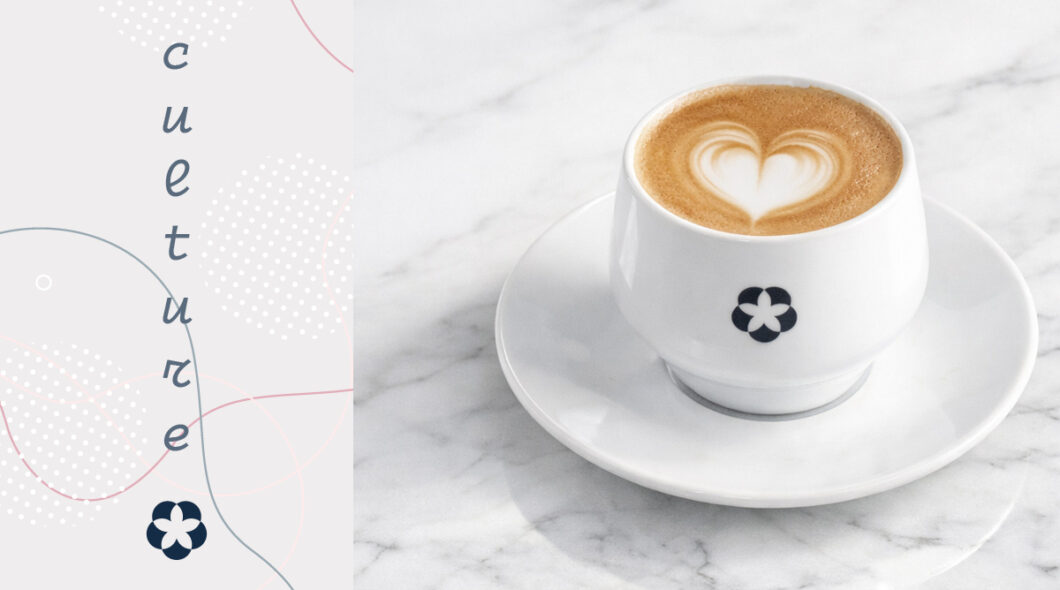
In a cappuccino, milk is not simply an addition to espresso: it is a structural ingredient. It determines texture, aromatic balance, natural sweetness and persistence. Choosing it carefully therefore has a decisive impact on the final quality of the cup.
The question is only seemingly simple: fresh or UHT milk? Whole, semi-skimmed or skimmed? There is no single answer, but there are technical parameters that can help identify the most suitable option.
To assess a milk properly, it needs to be tested. It should be tasted both hot and cold, on its own and combined with different espresso blends. The three main criteria are steaming performance, fineness of texture and foam stability. A good milk should develop a compact, creamy and stable microfoam, capable of integrating seamlessly with the coffee without separating or becoming excessively light.
Milk is also a naturally variable product, subject to seasonal changes linked to cattle feed, lactation cycles and other farming-related factors. For this reason, the industry has developed specific lines for the HoReCa sector, designed to ensure greater consistency in steaming performance.
From a practical standpoint, long-life milk offers clear advantages, particularly in terms of storage. However, for a high-quality cappuccino, fresh whole milk that has undergone gentle pasteurisation better preserves its sensory qualities and generally delivers superior results in the cup.
Fat and protein content play a fundamental role. Skimmed milk foams quickly and creates a large volume of foam, but the resulting structure tends to be more fragile, with larger and less stable bubbles. The result is a lighter cappuccino, with less body and reduced aromatic persistence. Semi-skimmed milk can represent a compromise for those seeking a lower calorie intake, but it remains less effective from a sensory perspective.
Alongside cow’s milk, there are also plant-based alternatives for those who are lactose intolerant, follow a vegan diet or have specific dietary requirements. Soy, oat, almond, rice and coconut-based drinks can broaden a coffee shop’s offering, provided they are carefully assessed for flavour, steaming performance and foam stability.
A Blend Created for Cappuccino
The quality of the final result, however, does not depend on milk alone. The espresso must also be selected according to the drink, as it needs to retain its aromatic presence, structure and balance even after milk is added.
This is the principle behind Grancappuccino, the Bazzara blend from the Italian Blend collection created to perform at its best specifically in cappuccino. Composed of 80% Arabica and 20% Robusta, it offers a smooth, harmonious and delicate profile, in which fruity and floral notes naturally blend with the sweetness of milk.
Its structure allows the character of the coffee to remain clearly recognisable even when combined with milk, creating a balanced interplay of creaminess, sweetness and aromatic persistence. In cappuccino, delicate nuances of honey, brioche and cream emerge, resulting in a rounded and harmonious cup.
As Marco Bazzara, Quality Manager, Academy Director and Q Instructor, explains:
“Fresh whole milk, particularly when organic or of high quality, remains the most balanced choice. With a fat content of around 3.5–3.8% and protein levels of approximately 3.2–3.3%, it takes slightly longer to foam but produces a dense, fine and velvety texture. This is the structure that allows an Italian cappuccino to express harmony, creaminess and seamless integration with the espresso. Technique is fundamental in cappuccino preparation, but without the right raw material, true balance cannot be achieved.”
Le ultime dal Blog
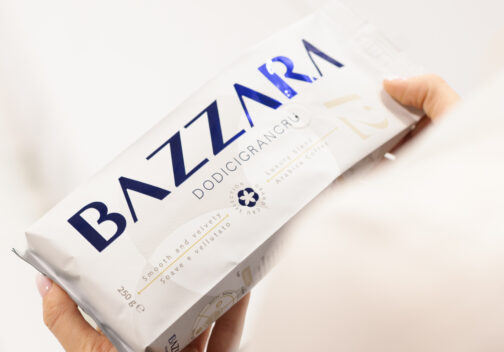
Bazzara Coffee Luxury Collection: l’arte di interpretare il caffè
La Luxury Collection Bazzara è una selezione dedicata alle massime espressioni del caffè secondo la visione Bazzara: tre collezioni complementari: Dodicigrancru, Panarabica e Rarity, che racchiudono miscele e origini selezionate per offrire una panoramica sul meglio del caffè.

Il latte ideale per il cappuccino italiano
La domanda è semplice solo in apparenza: meglio latte fresco o UHT? Intero, scremato o magro? Non esiste una risposta assoluta, ma esistono parametri tecnici che aiutano a individuare la soluzione più adatta.
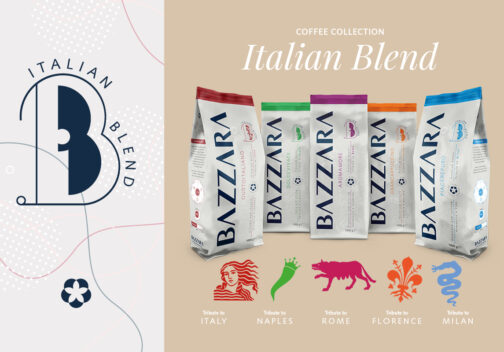
Bazzara presenta le Italian Blend: un tributo alla cultura dell’espresso italiano
Bazzara presenta la collezione Italian Blend: un progetto che reinterpreta cinque storiche miscele della torrefazione triestina attraverso una nuova identità visiva e una narrazione dedicata al mito dell’espresso italiano, trasformando ogni miscela in un tributo alla cultura, ai luoghi e alle usanze del Bel Paese.